<img height="1" width="1" style="display:none;" alt="" src="https://dc.ads.linkedin.com/collect/?pid=393225&amp;fmt=gif">
Weber LogisticsDiscuss your retail supply chain needs →

WEBER LOGISTICS / PILLAR RESOURCE

Retail Logistics, Vendor Compliance & Retailer Chargebacks: The Complete Guide

How retail suppliers can prevent avoidable deductions, follow retailer routing guides, and improve distribution performance.
Weber Logistics retailer chargebacks guide

Overview

Retail distribution is not simply a matter of shipping the order

You can pick the correct product, load it on the trailer, and still lose money on the shipment. Maybe the truck misses its assigned window. Maybe the carton label cannot be scanned. Or the advance shipping notice reaches the retailer with information that does not match the freight. In retail distribution, each of these details matters.

Big retailers have their own playbooks for receiving merchandise. Suppliers who ship to several chains must work across several sets of rules, often while moving product through busy warehouses and tight transportation schedules. Those rules help retailers receive freight efficiently, but they can leave suppliers exposed to chargebacks when something goes wrong.

This guide covers the practical side of the problem: what vendor compliance involves, where penalties begin, how to prevent them, when to challenge them, and what to ask of a retail-focused 3PL. For a deeper look at the broader operation, see Weber’s retail logistics services.



What is retail logistics?

what is retail logisticsRetail logistics includes the work required to move merchandise from a manufacturer or importer to retail distribution centers, stores, and direct-to-consumer (D2C) destinations. Warehousing, inventory control, order fulfillment, ticketing, transportation, and delivery scheduling all play a part.

The complications show up in the details. One customer expects a specific carton configuration. Another wants labels placed in a precise position. Another has an appointment window that can be missed because an inbound container arrived late. A retail operation must make those instructions part of ordinary execution rather than treat them as exceptions.

Companies serving both stores and D2C customers (this is called omnichannel fulfillment) also need an approach that can handle each channel’s fulfillment characteristics without losing control of inventory or operating costs.


What is retail vendor compliance?

Retail vendor compliance means following the retailer’s documented shipping, handling, packaging, documentation, and performance requirements. The rules commonly appear in routing guides, supplier manuals, EDI specifications, and purchase-order instructions.

A retailer may define permitted carriers, arrival dates, pallet heights, barcode types, pack sizes, carton markings, electronic transactions, and acceptable fill rates. One supplier can face a different set of instructions for every major customer.

That is why compliance cannot live only in a binder or in the memory of an experienced shipping clerk. Requirements need to be current, visible to the people doing the work, and built into the warehouse and transportation process.


Why compliance deserves attention from senior management

  • Protect margin. Each chargeback reduces the value of the shipment; the time spent researching and disputing a charge adds another cost.
  • Keep merchandise moving. Accurate labels and electronic documents help retailers receive shipments without extra handling.
  • Protect the relationship. Retailers want suppliers who are predictable, accurate, and responsive when an exception occurs.
  • Support growth. A repeatable compliance program makes it easier to onboard another chain or expand distribution volume.

Our article on common retail compliance chargebacks illustrates how small discrepancies in packaging, orders, and transportation turn into real deductions.

 

What are retailer chargebacks?

what are retail chargebacksA retail chargeback is a deduction or penalty assessed against a vendor for violating a retailer’s shipping or operating instructions. It is different from a consumer credit-card chargeback. Here, the dispute concerns how the supplier fulfilled a commercial order.

The retailer receives an order, compares what happened with its rules, and records a violation if it finds a mismatch. A charge may be taken from the supplier’s payment. Depending on the program, charges can be per incident, per carton, or a percentage of eligible merchandise value.

Percentage-based penalties from retailers typically cost vendors a 1% to 5% penalty. These figures are illustrative, not a substitute for the current program rules of any individual retailer. 


A typical chargeback sequence

  1. Retailer issues the purchase order and shipping instructions.
  2. Supplier prepares, documents, and tenders the shipment.
  3. Retailer checks what arrived, when it arrived, and whether the data matches.
  4. The retailer assesses a deduction if it identifies a compliance violation.
  5. Supplier researches the deduction and accepts or disputes it.


Chargeback cost example

A company with $20 million in annual retail sales and deductions equal to 2% of that amount would lose $400,000 in the year. This is an arithmetic illustration, not a prediction for a specific supplier. Even if a business recovers part of that money, investigation and reconciliation take time.

Annual retail sales Illustrative deduction rate Annual deduction
$20,000,000 2% $400,000

Seven frequent retailer chargebacks

In the article, Seven Frequent Chargebacks and Steps to Reduce Them, Weber Logistics identifies the most commonly issued chargeback penalties from retailers.

1. Early or late delivery

Freight arriving outside the approved delivery or pickup window may trigger a penalty, even when the shipment is otherwise accurate. Confirm the appointment rules, match warehouse release times to carrier schedules, and escalate delays before the window closes.

2. ASN or EDI error

The advance shipping notice, often the EDI 856, tells the receiving location what is coming. If it is missing, late, invalid, or inconsistent with the shipment, receiving slows down. Validate data, monitor acknowledgments, and preserve transmission records.

3. Improper shipping labels

Unreadable or incorrect barcodes make a carton harder to identify. Verify retailer-specific label content and placement, check print quality, and scan samples during shipping audits.

4. Purchase order discrepancy

The wrong SKU, wrong quantity, unauthorized substitution, or shipment outside the PO window can lead to deductions. Compare pick results with the approved order and document changes before shipping.

5. Pricing or merchandise data error

Incorrect item data, pricing, or codes can create mismatches at receiving. Maintain current item masters and check retailer-facing records before tickets or labels are printed.

6. Product shortage

A retailer expecting a full order may penalize a short shipment. Accurate inventory, disciplined picking, and early notification of shortages help protect performance.

7. Ticketing issue

An incorrect UPC, size, color, or other ticket detail can disrupt scanning and sales-floor readiness. Use account-specific ticket instructions and verify the finished cartons.


Violation Useful control
Timing Appointments, carrier coordination, exception alerts
ASN / EDI Transmission validation and acknowledgments
Labels / tickets Templates, scanning, QC checks
Purchase order / shortages Inventory accuracy, pick verification
Packing / pallet rules Retailer-specific SOPs and audits

Routing guides: the document that drives compliance

A routing guide is the retailer’s instruction book for preparing and moving freight. It may cover carrier choices, carton and pallet requirements, advance notices, freight terms, booking appointments, and delivery windows. Suppliers should not assume that what worked on the last order remains valid.

For a manufacturer with many retail customers, this turns into a version-control challenge. A retired label template or old carrier instruction can sit unnoticed until a warehouse associate uses it. 

Make routing guides operational

  • Maintain a central location for the latest retailer instructions and name someone responsible for updates.
  • Turn long documents into retailer-specific checklists and warehouse SOPs.
  • Review changes with customer service, warehouse, IT, and transportation before the next affected shipment.
  • Include retailer exceptions and unusual shipment configurations in pre-shipment checks.


EDI, ASNs, WMS, and transportation systems

Retail compliance cannot be solved solely by having good warehouse employees. The data leaving the building must match the freight leaving the building.

EDI is the electronic exchange of business documents between trading partners. Common retail messages include the 850 purchase order, 855 acknowledgment, 856 advance shipping notice, 810 invoice, and 997 functional acknowledgment. Each retailer defines which transactions are required and how they must be formatted.

A warehouse management system supports location-level inventory, order picking, carton or pallet identification, and shipping verification. When integrated well with EDI, it helps ensure the electronic notice reflects what was actually packed.

Transportation coordination closes the loop. An accurate order and ASN will not fix a missed delivery appointment, and an on-time truck will not fix invalid data. Retail compliance works best when the warehouse, EDI, and transportation processes are treated as one operation.

Seven ways to reduce retail chargebacks

In the guide, Retail Compliance to Reduce Chargebacks, we see that prevention is an organizational capability, not a one-time cleanup project.

1. Find the real cost

Ask accounting for a consolidated deduction history. Separate total assessed penalties from amounts recovered, then break them down by retailer and cause.

2. Put the right WMS tools to work

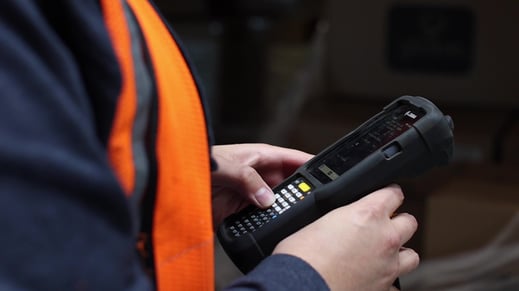
Use scanning, item validation, controlled label printing, and shipment audits to reduce manual error.

3. Get EDI right

Treat late, rejected, or mismatched ASNs as operating problems that require immediate investigation, not just IT tickets.

4. Give compliance an owner

Name a person or team accountable for tracking requirements and following corrective actions to completion.

5. Audit the work

Spot-check cartons, pallets, labels, and documentation before departure. Target repeated violations with focused reviews.

6. Challenge unsupported deductions

Keep the evidence needed to establish what was shipped, when data was sent, and when a carrier checked in.

7. Stay close to retail contacts

Flag problems early and develop working relationships with the people who handle the retailer’s receiving and compliance processes.


When a chargeback should be disputed

Not every assessment reflects what actually happened. A shipper that can document its activity has a stronger case for disputing a chargeback than one relying on recollection.

Start with the retailer’s violation code and the specific shipment. Then collect the purchase order, shipping instructions, EDI acknowledgments, signed bill of lading, appointment records, driver logs, photos, and correspondence relevant to the allegation. File through the appropriate portal within the retailer’s deadline and track the result.


What good documentation can settle

  • ASN timing: Transmission timestamps and acknowledgment records can show whether data was sent on time.
  • Quantity dispute: A dated, signed bill of lading can help establish the freight tendered to the carrier.
  • Trailer capacity: Photos taken at pickup can record a vehicle that arrived without enough space for the load.
  • Detention claim: Check-in and check-out logs can help verify how long a driver was at the facility.

Problems should be flagged as they happen rather than reconstructed weeks later.


Know which numbers to watch

Compliance improvements should show up in the scorecard. Review both the financial result and the operating causes, ideally by retailer, warehouse, carrier, and violation type.

Measure What it tells you
Chargeback rate Deductions divided by an appropriate sales base
On-time performance Orders delivered in required windows
Order fill rate Quantity shipped versus quantity required
Order accuracy Orders shipped with correct SKUs and quantities
ASN accuracy Notices accepted with correct shipment data
Dispute recovery Dollars recovered compared with amounts disputed


Basic calculation: Chargeback rate = total retailer deductions ÷ relevant retail sales × 100.

For an accurate trend, use the same definitions and time period each month; report assessed and net deductions separately.

Retail distribution

What a retail-focused 3PL should bring to the table

Retail logistics complianceA third-party logistics partner can take on more than storage and shipping. In a retail program, the important question is whether the provider can follow the changing rules of multiple retailers while keeping documentation and exceptions under control.

  • Experience with the retailers and distribution channels you actually serve.
  • A working process for monitoring current routing guides.
  • Warehouse systems that support account-specific packing, labeling, and EDI workflows.
  • Transportation coordination, including appointments and exception handling.
  • Record retention that supports valid chargeback disputes.
  • Enough flexibility to handle promotions, seasonal peaks, and new accounts.


Start the work during onboarding

Compliance requirements should be reviewed before the first order moves through a new 3PL’s building. Product data, expected volume, routing guides, EDI mapping, carton labeling, pallet rules, and carrier responsibilities all belong in the implementation plan.

The article 3PL Onboarding and Retail Compliance Requirements discusses project planning, implementation meetings, and recurring reviews of EDI, ASN, labeling, and WMS tasks. It is much easier to correct a retailer-specific instruction before go-live than after the first deductions appear.


Why West Coast distribution matters

A brand importing through Los Angeles/Long Beach or Oakland may need to move a container, receive and store inventory, prepare retailer-specific orders, and coordinate the final delivery. Every handoff adds another opportunity for a missed instruction.

A coordinated West Coast network can bring drayage, warehousing, value-added preparation, and transportation closer together. It can also help a supplier position stock near retailers and manage volume swings. Location alone does not guarantee compliance, but integrated execution can make a complicated flow easier to control.


How Weber Logistics supports retail compliance

Weber’s vendor compliance services include a dedicated team that monitors routing guides and incorporates requirements into account-based SOPs and KPIs. Weber also has in-house IT team, which can typically integrate a new retailer in about two weeks depending on the project.

If you're a supplier managing many customers, these practices matter because the shipping instructions cannot remain separate from what the warehouse and transportation teams actually do.


Support before and after the shipment

  • Before shipment: Apply retailer-specific operating requirements, labeling, and fulfillment procedures.
  • During execution: Coordinate warehousing, order processing, and transportation responsibilities.
  • After a deduction: Retrieve operational evidence such as historical driver entry and exit records where relevant.

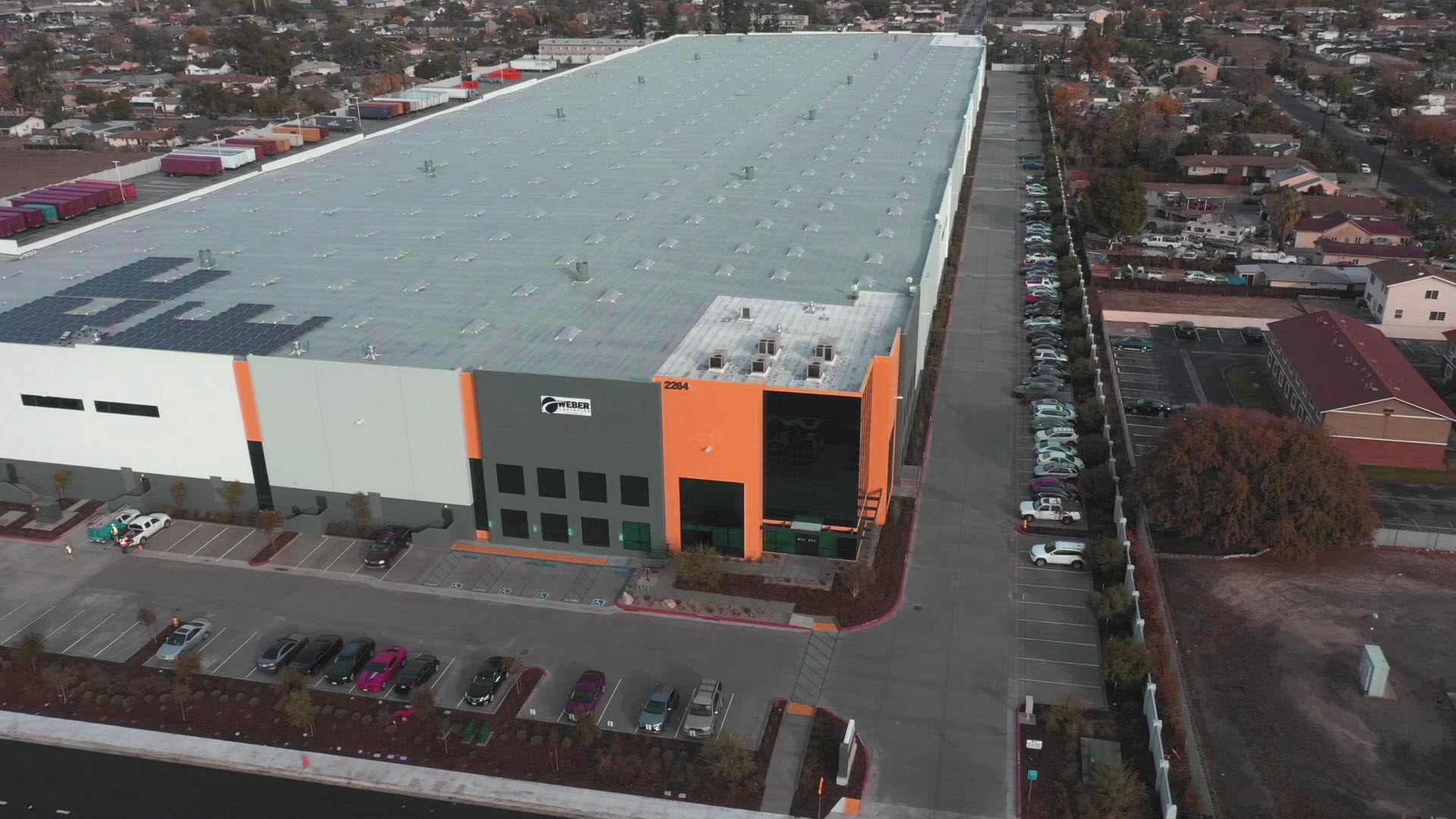
Weber Logistics retail logistics services also provide value-added services, including ticketing, labeling, and kitting, from its warehouse distribution facilities across California and beyond. 

Retail vendor compliance: frequently asked questions

What is retail vendor compliance?

It is the work of meeting each retailer’s specific shipping, packaging, labeling, electronic-document, and delivery requirements.

What causes the most common chargebacks?

Typical causes include wrong delivery timing, invalid ASNs, labeling mistakes, purchase-order discrepancies, product shortages, and ticketing errors.

Can a vendor challenge a chargeback?

Yes, when the retailer provides a dispute path and the vendor has supporting evidence. Deadlines and documentation rules vary.

What is an ASN?

An advance shipping notice is a message describing the incoming shipment. It is commonly transmitted as the EDI 856.

What is a retailer routing guide?

It is the retailer’s set of instructions for how its suppliers should prepare and ship freight.

What does OTIF mean?

On-Time In-Full. It measures whether shipments meet the retailer’s timing and quantity expectations under the applicable program.

How can a 3PL help?

A retail-experienced 3PL can incorporate retailer instructions into warehouse workflows, manage documentation, coordinate transportation, and preserve records for disputes.

Does better compliance improve profitability?

It can reduce deductions and rework while improving inventory and shipping accuracy. The benefit depends on the company’s current problems and cost structure.