


Overflow warehousing allows retailers, manufacturers, and CPG companies to store excess inventory at a third-party facility when your primary distribution centers reach capacity. If your company is facing peak-season inventory surges, it can provide additional space without the cost or commitment of expanding your permanent warehouse operations.
When Peak-Season Inventory Exceeds Warehouse Capacity
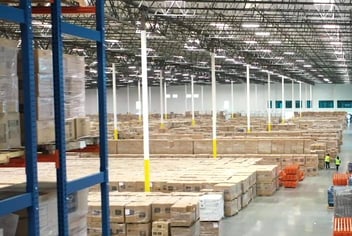
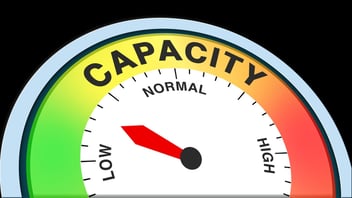
 Even the best forecasting can't always predict how much warehouse space you’ll need during peak season.
And, as inventory accumulates, the effects can extend far beyond storage capacity.
- Congested receiving areas: Incoming shipments compete for limited dock and staging space, slowing unloading and putaway.
- Reduced operational efficiency: Crowded aisles and overflowing storage locations make picking, replenishment, and inventory movement more difficult.
- Higher labor costs: Employees spend additional time locating and moving products, potentially driving up overtime and handling costs.
- Fulfillment disruptions: When inventory interferes with normal warehouse operations, orders may take longer to process.
- Increased compliance risks: Rushed operations and temporary workarounds can lead to shipping errors, missed deadlines, and costly retailer chargebacks.
How Does Overflow Warehousing Solve the Peak Season Crunch?
When warehouse capacity becomes constrained, you can move your excess inventory into shared warehousing space operated by a 3PL provider.
For many businesses, the arrangement can be relatively straightforward: pallets arrive, inventory is stored, and product is released when needed.
It's a much more economical, and often more realistic, alternative to taking on additional permanent space yourself.
Leasing another facility typically involves long-term commitments, additional staffing, equipment, technology, and operational setup. That's a significant investment for a capacity problem that may last only a few months.
Overflow warehousing with a 3PL can help companies:
- Free up valuable space in their primary distribution center
- Accommodate temporary increases in inventory
- Keep receiving docks and operational areas clear
- Maintain normal picking, packing, and shipping activities
- Avoid unnecessary long-term warehouse commitments
- Position additional stock for replenishment as needed
Importantly, overflow storage doesn't require redesigning your supply chain. 3PL providers like Weber Logistics that have their own in-house IT departments can integrate with your systems – and those of your vendors and customers – seamlessly.
Comparing Your Options for Managing Peak-Season Warehouse Capacity
When inventory exceeds available warehouse space, companies have several ways to respond. The right solution depends on how much additional capacity is needed, how long it will be needed, and whether the challenge involves storage space, operational throughput, or both.
| Consideration | Overflow Warehousing with a 3PL | Short-Term Warehouse Lease | Additional Warehouse Shifts |
|---|---|---|---|
| Additional storage capacity | Yes, at an off-site facility | Yes, at a separate facility | No; increases throughput within existing space |
| Speed of implementation | Depends on available capacity and onboarding requirements | Requires locating and setting up a facility | Depends on labor and equipment availability |
| Upfront investment | Generally lower, using an established 3PL operation | May require facility setup, equipment, and staffing | Primarily additional labor and operating costs |
| Flexibility | Can accommodate fluctuating inventory volumes, subject to provider terms | Depends on lease commitments | Limited by available floor and rack space |
| Best suited for | Seasonal inventory surges and temporary excess stock | Longer-term or predictable space needs | Processing more inventory when storage capacity is sufficient |
For companies facing a temporary storage crunch, working with an established 3PL can provide the additional capacity needed without taking on the commitments associated with another warehouse lease.
What Should You Look for in a Peak-Season Overflow Warehouse?
When the need for additional space becomes urgent, the temptation may be to focus exclusively on finding available square footage.
But warehouse space alone doesn't solve the problem. The right overflow partner must also be able to receive, store, manage, and release inventory reliably.
Several factors are worth evaluating.
1. Speed of onboarding
Peak-season capacity challenges rarely arrive at a convenient time. A provider should be able to explain its onboarding requirements, receiving processes, and realistic implementation timeline. For companies needing immediate relief, a straightforward pallet storage operation may be more practical than introducing complex new fulfillment processes.
2. Inventory visibility and accuracy
Moving inventory to another facility shouldn't mean losing track of it. A warehouse management system (WMS), established receiving procedures, and accurate inventory records help you maintain control and visibility of your products.
3. Flexible storage arrangements
As your inventory levels fluctuate, you’ll want to understand your 3PL provider’s storage terms, expected volume commitments, and its ability to flex.
4. Transportation coordination
Getting inventory into storage is only half the equation. Companies also need a reliable process for moving pallets back to their primary distribution center or onward to other destinations. Working with a 3PL that integrates warehousing and transportation can make these movements easier to coordinate.
5. Operational experience
A provider accustomed to retail and consumer goods distribution understands the importance of accurate inventory handling, dependable communication, and meeting time-sensitive requirements. These capabilities are especially important during peak season, when operational mistakes can quickly become expensive.
Frequently Asked Questions About Overflow Warehousing
What is overflow warehousing?
Overflow warehousing is the temporary storage of excess inventory at an additional facility, often operated by a third-party logistics (3PL) provider. It allows companies to free up space in their primary distribution centers without committing to permanent warehouse expansion.
How quickly can overflow warehousing begin?
The timeline depends on available space, inventory volumes, receiving requirements, and any necessary systems integration. Straightforward pallet storage operations may be easier to implement than more complex fulfillment arrangements.
What types of companies benefit from overflow warehousing?
Retailers, manufacturers, and consumer packaged goods (CPG) companies commonly use overflow warehousing to accommodate seasonal inventory, promotional products, unexpected volume increases, and temporary storage needs.
Can a 3PL manage transportation as well as overflow storage?
Yes. Some 3PL providers, including Weber Logistics, offer both warehousing and transportation services. This allows companies to coordinate inbound shipments, storage, and inventory replenishment through a single logistics partner.
Is overflow warehousing available in California?
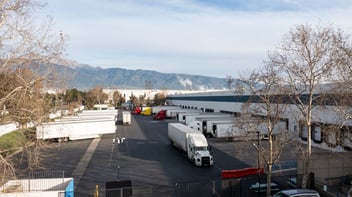
Yes. Weber Logistics operates distribution centers throughout California, including the Los Angeles area, Inland Empire, and Stockton. Companies seeking temporary storage can contact Weber to discuss available capacity, inventory requirements, and transportation needs.
How Weber Logistics Can Help with Peak-Season Overflow Storage
For more than 100 years, Weber Logistics has helped companies manage the complexities of West Coast warehousing, distribution, and transportation.
With an established network of distribution centers across California, along with a full suite of transportation, drayage, and value-added warehousing services, Weber has the capability to handle operational demands that seasonal volume increases can create.
Contact our team to discuss your inventory volumes, storage requirements, and timeline, and learn whether available capacity can support your operation.
Contact Weber Logistics to Discuss Overflow Warehousing


 Capital Management
