


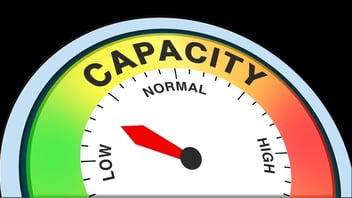
After an extended period of soft demand and abundant capacity, the transportation market is beginning to shift.
The most noticeable changes are occurring in over-the-road truckload transportation. Carrier capacity has tightened, spot rates are increasing, fuel costs remain elevated and stricter enforcement of driver requirements is affecting parts of the available driver pool.
This does not mean freight demand is surging across every industry or lane. Demand remains uneven. However, fewer dependable trucks are competing for available freight, changing the balance between shippers and carriers.
In other modes, West Coast drayage operations are busy but generally fluid, while the less-than-truckload (LTL) market remains comparatively stable.
For shippers, especially truckload shippers, the message is clear: transportation planning is becoming less forgiving. Dependable carrier relationships, accurate forecasts and consistent execution will become increasingly important.
If your transportation plan still relies on the soft-market conditions of the past few years, now is the time to reassess your capacity and pricing strategy.
Truckload Capacity Is Tightening
 Much of the U.S. truckload market is supported by small fleets and independent owner-operators. Following several years of low rates and rising operating costs, many smaller providers have left the market, reduced their fleets or become more selective about the freight they accept.
Federal actions involving non-domiciled commercial driver’s licenses and English-language proficiency enforcement are creating additional pressure for some carriers.
At the same time, seasonal and import-related demand is strengthening in some markets.
Tariff uncertainty, higher fuel costs and geopolitical risk have encouraged some retailers and manufacturers to move inventory earlier than normal.
This combination of tighter capacity and pockets of stronger demand is putting upward pressure on truckload rates. DAT Freight & Analytics reported that dry-van spot rates increased faster than freight volumes in June, while Cass Transportation Index data described the broader rate recovery as supply-led.
During the softer market, shippers could aggressively rebid lanes, move deeper into routing guides and rely on the spot market without significant pricing or service consequences. Carriers competed aggressively for available freight. This created sustained downward pressure on rates.
That environment is changing.
Spot pricing is becoming less predictable, and low-cost capacity is harder to secure in constrained markets. Conditions will continue to vary by lane, region and equipment type, but shippers should no longer assume that a truck will always be available at the previous market rate.
LTL Remains Comparatively Stable
Less-than-truckload transportation has not experienced the same level of disruption.
LTL transportation is dominated by larger providers with extensive terminal and service-center networks.
That infrastructure gives carriers greater control over capacity and provides a degree of market stability.
However, stable service does not mean flat pricing. Shippers may experience increases related to fuel, freight classification, shipment density, accessorial services and general rate adjustments.
Shippers should continue to monitor carrier performance, classifications, weights and dimensions, accessorial charges and network coverage. Inaccurate freight information or poor shipment planning can still create unexpected costs.
West Coast Drayage Is Busy but Fluid
The drayage market has also gone through a correction.
During the pandemic, high import volumes and drayage rates encouraged new providers to enter the market.
As volumes normalized and rates declined, some smaller providers went out of business, reduced their fleets or shifted into other transportation services.
At the same time, West Coast import activity is strong. The Port of Los Angeles handled more than one million TEUs in June 2026, making it the busiest June in the port’s history. Despite that volume, port operations remained generally fluid.
The greatest drayage risks are often local and operational rather than the result of a broad capacity shortage. These include terminal appointments, chassis access, container holds, driver wait time, demurrage and changing import schedules.
This environment favors providers with experienced port operations, dependable equipment access, strong communication and disciplined processes.
Fuel Remains a Major Cost Factor
Fuel costs continue to influence transportation pricing across all trucking modes, particularly in California.
California diesel prices remain well above the national average. Shippers moving freight through West Coast ports and distribution networks should expect fuel surcharges to remain a meaningful part of their transportation spend.
Fuel volatility also makes surcharge transparency more important. Shippers should understand which fuel index is being used, how often the surcharge changes and what base fuel price is included in the linehaul rate.
Clearly defined pricing structures make it easier to forecast costs and avoid surprises.
Why the Lowest Rate May Carry the Greatest Risk
When transportation markets tighten, choosing a provider based solely on price can create significant supply chain risk.
A competitive rate is not automatically a warning sign. However, a rate materially below the market should prompt additional questions.
Extremely low rates may indicate that a carrier is operating with unsustainable margins. That provider may offer short-term savings but lack the financial strength, equipment availability, or operational support needed when conditions become difficult.
“You want to work with people who are in the game and who will continue to be in the game,” says Gary Kendle, VP of Transportation at Weber Logistics.
Important considerations include financial stability, capacity, safety, insurance, shipment visibility, peak-season execution and experience managing disruptions.
A dependable provider may not always submit the lowest bid. However, the cost of missed appointments, production delays, retail chargebacks, and customer-service failures can quickly exceed a small difference in transportation rates.
See our recent article, “The Real Cost of Choosing the Cheapest Drayage Provider” for additional details.
If your current strategy depends heavily on last-minute capacity or lowest-cost providers, Weber Logistics can help you evaluate the risks and build a more dependable transportation plan.
Building a More Resilient Transportation Strategy
Truckload capacity has tightened compared with the past several years. Reliability, planning and carrier relationships now matter more than they did only a few months ago.
This does not mean every lane is experiencing a capacity shortage. It does mean shippers should prepare for greater pricing variability and fewer last-minute options.
The best steps are straightforward: share forecasts early, confirm peak-season requirements, identify critical lanes, maintain qualified backup providers and review fuel and accessorial structures.
With more than a century of logistics experience, Weber Logistics has managed transportation operations through periods of rapid growth, economic contraction, port disruption, and changing customer demand.
Weber’s combination of asset-based transportation, truckload and LTL solutions, drayage, warehousing, and distribution services allows customers to coordinate freight across the entire supply chain.
As peak-season activity continues, shippers should begin conversations with transportation partners early and prioritize providers with the experience and stability to execute consistently.
The market will continue to change. The right logistics partner will be ready to change with it.
Want to strengthen your transportation strategy before capacity tightens further? Contact Weber Logistics to discuss your truckload, LTL, drayage and West Coast distribution needs.




 Capital Management